
The weather window, month by month
Aurora Limewash: The Best Time of Year to Limewash in Aurora
Limewash cures with the weather, so the calendar matters more than with paint.
- Aurora and ten towns within 20 miles
- Written price before work starts
- Licensed, insured local contractors
- Historic district rules covered
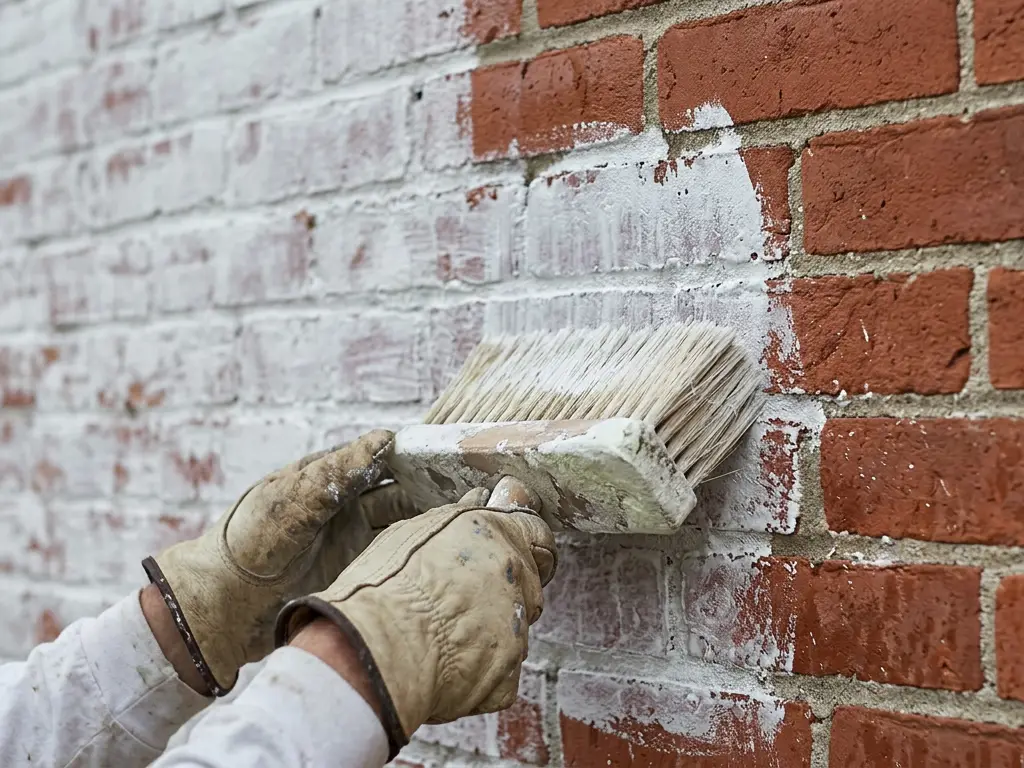
Aurora Limewash wrote this guide for owners of brick homes around Aurora planning when to limewash. Limewash hardens by slowly reacting with the air, and it is brushed onto damp brick, so temperature, sun and rain all affect how it cures. The maker's rules and Aurora's own climate normals together give a clear season.
What the maker says
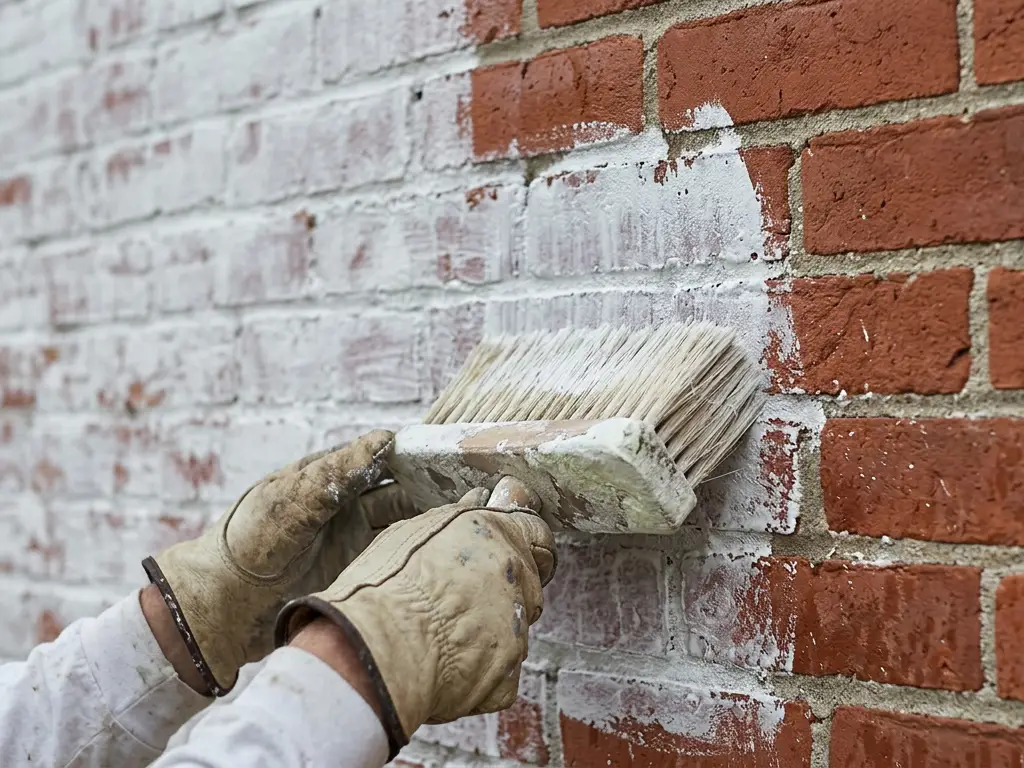
Romabio's guidance for its Classico limewash outdoors is specific. Do not apply it if the temperature is below 50°F or above 88°F. Do not apply it if the surface will see two nights of freezing temperatures right after. Do not apply it in direct sun above 88°F, or when the surface cannot be kept damp, because it will flash dry before it bonds. And once it has dried for 3 to 4 hours, normal rain will not affect the finish.
What Aurora's weather does
NOAA's 1991 to 2020 normals for its Aurora station give average highs and lows by month. April runs 59.8°F by day and 39.3°F at night. May rises to 71.1°F and 50.1°F. June is 80.5°F and 60.1°F, July 84.0°F and 64.8°F, August 82.1°F and 63.1°F, and September 75.8°F and 53.3°F. October falls back to 62.8°F and 43.1°F, and November to 47.8°F and 31.7°F.
- April: days often warm enough, nights too cold; risky.
- Mid-May to June: the best stretch; mild days, nights above freezing.
- July and August: fine on overcast days and shaded walls; plan around hot afternoon sun.
- September: excellent; warm days, cooling nights still well above freezing.
- Early October: usually workable; watch the forecast for the first frosts.
- November to March: exterior work stops; interior work carries on.
Not sure what your brick will take? Describe the house, the brick and the look you want, and get a straight answer on coats, prep and a typical price.
Call (630) 528-2808Working around summer sun
The average July high of 84°F sits under the 88°F limit, but hot days exceed it, and a south or west wall in full sun can run far hotter than the air. Crews handle that by starting on the shaded side, following the sun around the house, and keeping the brick damp ahead of the brush. A wall that dries as fast as it is washed gives a patchy, poorly bonded finish.
Book in spring
Because the season is roughly May to early October, it pays to book before it starts. If the house is in a historic district in Geneva, Batavia or St. Charles, the approval has to come first, so the application belongs in late winter. The historic district rules guide has the details.
The off-season is for indoors
Fireplaces and interior walls have no weather window. A winter fireplace limewash, covered on the fireplace limewash page, is the usual way to try the finish before committing a whole house to it in spring.
How often to recoat
HomeGuide says limewashed brick fades gradually and needs reapplication every 5 to 7 years to keep its original coverage. Exposed walls and chimneys go first. Many owners like the softened look and wait longer. When the time comes, the same weather window applies to the recoat.
Not sure what your brick will take? Describe the house, the brick and the look you want, and get a straight answer on coats, prep and a typical price.
Call (630) 528-2808Rain, dew and the morning start
Limewash needs damp brick to start, but not a wet wall running with water. A wall that is still soaked from overnight rain should be left to drain before work begins, and dew on a north wall can do the same thing on a cool morning. Romabio says to avoid applying limewash outdoors when heavy rain is likely, and that normal rain does no harm after 3 to 4 hours of drying, so the planning question each day is simply whether the next few hours will stay dry.
Spring and autumn nights
The rule about two freezing nights matters most at the edges of the season. In Aurora, the average April night is 39.3°F and the average October night 43.1°F, which is above freezing on average but leaves plenty of individual nights below it. Limewash applied just before a cold snap can be damaged before it has cured. Contractors working in April or late October watch the ten-day forecast rather than the calendar, and some simply wait for May.
Interior work has its own calendar
Inside, the only timing questions are practical ones: the room needs to be ventilated while the lime is wet, and furniture and floors need covering. That makes winter the natural season for fireplaces and accent walls, and it means the indoor and outdoor halves of a whole-house project can be split across the year without any loss in quality.
A sample season plan
For a whole-house project, a sensible order is this: in late winter, get the site visit, the written price and any historic district approval; in April, if needed, do repointing and paint stripping, which tolerate cooler weather better than limewash does; in mid-May or June, do the test patch and, once it has dried and been approved, the limewash itself. Leave September as a reserve month for weather delays. Indoor work like a fireplace can happen at any point in the winter.
Questions people ask
What is the best time of year to limewash in Illinois?
Around Aurora, mid-May to early October, when days are above 50°F and nights stay above freezing.
Can you limewash in cold weather?
Not outdoors. Romabio says not below 50°F, and not if two freezing nights follow application.
Can it rain after limewashing?
After 3 to 4 hours of drying, normal rain will not affect it, according to Romabio. Avoid days with heavy rain forecast.
Is it too hot to limewash in July?
Not usually, but avoid walls in direct sun above 88°F. Crews follow the shade around the house.
How often does limewash need recoating?
HomeGuide puts it at every 5 to 7 years to keep the original coverage. Many owners wait longer.
Can you limewash in April around Aurora?
Sometimes. Aurora's average April high is 59.8°F but the average low is 39.3°F, so watch the forecast for freezing nights after application.
Does limewash need direct sun to dry?
No. Romabio warns against direct sun above 88°F because the wash can flash dry. Overcast, mild days are ideal.
Talk it through before anyone opens a bucket
Say what the brick is, whether it has ever been painted or sealed, and how much of it shows from the street. You will hear what the job usually involves, what it tends to cost, and whether your town needs a sign-off first.
Call (630) 528-2808